

Pests in a GTA Condo: Who Is Responsible, the Owner or the Condo Corporation?
By Hello Pest Control Team on October 28, 2026 · · About the author
Table of Contents
- At a glance
- The short answer: report first, assign responsibility second
- Why condo infestations are different from detached homes
- What the Condominium Authority of Ontario says
- The documents that can change the answer
- If you own the condo
- If you rent a condo
- If you are a landlord
- If the infestation is in a common area
- Who pays for pest control?
- Bed bugs in a condo building
- Mice and rats in multi-unit buildings
- Cockroaches and shared plumbing routes
- What to do in the first 24 hours
- How to prepare for an inspection or treatment
- Preventing neighbour disputes
- When to request escalation
- Choosing a pest-control provider for a condo
- A practical message you can send management
- How Hello Pest Control can help
- A practical evidence log for condo residents
- Why building-wide coordination matters
- How to document a disagreement about costs
- For property managers: make the response repeatable
- For tenants: keep communication factual and timely
- Limits of general information
- Related pest-control resources
- Final takeaway

Finding a mouse in a condo kitchen or bed bugs near a mattress can quickly turn into a question about responsibility: who should be told, who arranges treatment, and who pays? In Ontario, there is no one-size-fits-all answer. The facts, the condominium’s declaration and rules, the location of the infestation, the cause, and the relevant lease or ownership obligations all matter.
At a glance
Best first step: identify the pest and record where and when you see activity. Best prevention: remove easy food and water, reduce hiding places and close suitable entry points. When to call a professional: recurring or widespread signs, uncertain identification, safety concerns, a nest near people, or an issue affecting a food business or shared building. Important: no generic checklist or price can replace an assessment of the actual property.
The short answer: report first, assign responsibility second
Tell the property manager, condo corporation or landlord promptly, document what you have seen, and take reasonable steps to prevent the problem from spreading. Do not delay reporting while trying to decide who will pay. Responsibility can depend on the governing documents, the source and location of the infestation, and whether a person’s actions or a maintenance failure contributed.
Practical next step: write down what you observed, where it happened, what conditions may be contributing and what action has already been taken. Keep the next action proportionate to the evidence. If the signs repeat or the source remains unclear, ask for an assessment instead of adding more products or making assumptions.
Why condo infestations are different from detached homes
Condo buildings connect units through shared walls, service penetrations, plumbing routes, garbage rooms, parking areas and common corridors. A pest found inside one unit may have arrived through a personal entry point, a neighbouring unit, a shared space or an exterior opening. The first visible location does not always reveal the source.
Practical next step: write down what you observed, where it happened, what conditions may be contributing and what action has already been taken. Keep the next action proportionate to the evidence. If the signs repeat or the source remains unclear, ask for an assessment instead of adding more products or making assumptions.
What the Condominium Authority of Ontario says
The Condominium Authority of Ontario advises owners to record details and notify the condo corporation. Corporations generally maintain common elements, while owners generally maintain their units and exclusive-use common elements, subject to the governing documents and applicable law. A corporation may need to coordinate access, repairs or treatment to contain a problem that could spread or damage property.
Practical next step: write down what you observed, where it happened, what conditions may be contributing and what action has already been taken. Keep the next action proportionate to the evidence. If the signs repeat or the source remains unclear, ask for an assessment instead of adding more products or making assumptions.
The documents that can change the answer
Review the condominium declaration, by-laws, rules, maintenance standards, insurance provisions and any infestation policy. Rules may require owners or occupants to prevent conditions that attract pests, report problems immediately, cooperate with inspections or follow preparation directions. Ask the manager for the current documents rather than relying on a neighbour’s recollection.
Practical next step: write down what you observed, where it happened, what conditions may be contributing and what action has already been taken. Keep the next action proportionate to the evidence. If the signs repeat or the source remains unclear, ask for an assessment instead of adding more products or making assumptions.
If you own the condo
Notify management in writing and describe the date, pest type, rooms or common areas involved, and any signs in nearby locations. Keep photographs, invoices, messages and a record of steps taken. Ask what inspection will happen, who will coordinate access, how treatment will be arranged, and which document determines cost responsibility. Avoid making assumptions about reimbursement before the facts are reviewed.
Practical next step: write down what you observed, where it happened, what conditions may be contributing and what action has already been taken. Keep the next action proportionate to the evidence. If the signs repeat or the source remains unclear, ask for an assessment instead of adding more products or making assumptions.
If you rent a condo
Notify your landlord or property manager promptly, and follow the building’s reporting procedure. Keep the message factual and save a copy. Do not independently arrange a treatment that could conflict with the building’s plan unless there is an urgent reason and you have clarified the process. Ask who will communicate with the condo corporation and what preparation is expected.
Practical next step: write down what you observed, where it happened, what conditions may be contributing and what action has already been taken. Keep the next action proportionate to the evidence. If the signs repeat or the source remains unclear, ask for an assessment instead of adding more products or making assumptions.
If you are a landlord
Respond quickly to a tenant report, coordinate with the condo manager and any relevant service provider, and keep the tenant informed. Check the lease, applicable landlord-tenant requirements and condo documents before assigning costs. Avoid blaming a tenant without evidence. Delays can allow a localized issue to become a building-wide problem and can complicate the factual record.
Practical next step: write down what you observed, where it happened, what conditions may be contributing and what action has already been taken. Keep the next action proportionate to the evidence. If the signs repeat or the source remains unclear, ask for an assessment instead of adding more products or making assumptions.
If the infestation is in a common area
Report activity in garbage rooms, hallways, parking garages, storage rooms or shared laundry facilities to management. Include the exact location, time and visible evidence. The corporation can coordinate inspection and maintenance of common elements and assess whether adjoining units or building systems need to be checked. Residents should not place unapproved pesticides in shared areas.
Practical next step: write down what you observed, where it happened, what conditions may be contributing and what action has already been taken. Keep the next action proportionate to the evidence. If the signs repeat or the source remains unclear, ask for an assessment instead of adding more products or making assumptions.
Who pays for pest control?
The answer depends on the condominium’s governing documents, the source and location of the infestation, maintenance obligations, and any applicable legal duties. A corporation may arrange work in common elements; an owner may have obligations inside a unit. If the corporation performs work on an owner’s behalf, the Condominium Act can allow certain repair costs to be added to common expenses in circumstances described by the law. Obtain the relevant explanation in writing.
Practical next step: write down what you observed, where it happened, what conditions may be contributing and what action has already been taken. Keep the next action proportionate to the evidence. If the signs repeat or the source remains unclear, ask for an assessment instead of adding more products or making assumptions.
Bed bugs in a condo building
Bed bugs can be introduced through luggage, used furniture, visitors or other routes; their presence alone does not prove negligence. Report suspected activity quickly and avoid moving mattresses, furniture or belongings through shared corridors without instructions. Follow professional preparation guidance, coordinate treatment of affected areas, and ask management how adjoining units will be assessed if needed.
Practical next step: write down what you observed, where it happened, what conditions may be contributing and what action has already been taken. Keep the next action proportionate to the evidence. If the signs repeat or the source remains unclear, ask for an assessment instead of adding more products or making assumptions.
Mice and rats in multi-unit buildings
Rodents can enter through gaps around pipes, loading areas, garage doors, foundation cracks and poorly maintained waste areas. Record droppings, gnawing, noises and the precise location, but do not touch contaminated material without suitable precautions. Effective control usually combines inspection, sanitation, secure waste storage, trapping where appropriate, and exclusion of entry points.
Practical next step: write down what you observed, where it happened, what conditions may be contributing and what action has already been taken. Keep the next action proportionate to the evidence. If the signs repeat or the source remains unclear, ask for an assessment instead of adding more products or making assumptions.
Cockroaches and shared plumbing routes
Cockroaches may travel through utility penetrations, wall voids, drains or items brought into a building. A single sighting does not establish the extent of an infestation, but repeated sightings, small nymphs or activity during daylight deserve prompt reporting. Coordinated building-wide inspection may be more effective than treating one unit in isolation.
Practical next step: write down what you observed, where it happened, what conditions may be contributing and what action has already been taken. Keep the next action proportionate to the evidence. If the signs repeat or the source remains unclear, ask for an assessment instead of adding more products or making assumptions.
What to do in the first 24 hours
Record the date and time, take clear photographs if safe, identify the exact location, notify management and your landlord if applicable, and preserve written replies. Keep food sealed and reduce clutter without moving suspected infested belongings into hallways. Ask for the next step and a realistic timeline. If anyone faces an immediate health or safety emergency, use the appropriate emergency channel.
Practical next step: write down what you observed, where it happened, what conditions may be contributing and what action has already been taken. Keep the next action proportionate to the evidence. If the signs repeat or the source remains unclear, ask for an assessment instead of adding more products or making assumptions.
How to prepare for an inspection or treatment
Follow the instructions supplied for the particular pest. Preparation may include clearing baseboards, laundering and bagging textiles, emptying cupboards, moving items away from walls or providing access to plumbing routes. Do not apply extra pesticides or discard belongings unless the professional plan calls for it. Inconsistent preparation can reduce effectiveness and make it harder to interpret what happens next.
Practical next step: write down what you observed, where it happened, what conditions may be contributing and what action has already been taken. Keep the next action proportionate to the evidence. If the signs repeat or the source remains unclear, ask for an assessment instead of adding more products or making assumptions.
Preventing neighbour disputes
Use neutral, factual language. Say what was observed, when it happened and what assistance is requested; avoid declaring that another resident caused the infestation without evidence. Share information through management rather than posting accusations in a building group. A record of cooperative actions helps the corporation investigate fairly and keeps the focus on resolving the issue.
Practical next step: write down what you observed, where it happened, what conditions may be contributing and what action has already been taken. Keep the next action proportionate to the evidence. If the signs repeat or the source remains unclear, ask for an assessment instead of adding more products or making assumptions.
When to request escalation
If there is no response, send a concise follow-up with the timeline, evidence and the action requested. Ask the manager to identify the applicable rule or maintenance responsibility. The Condominium Authority of Ontario provides guidance and templates for infestation communications. For a serious cost dispute or potential liability, seek advice from a qualified Ontario legal professional rather than treating general guidance as a legal ruling.
Practical next step: write down what you observed, where it happened, what conditions may be contributing and what action has already been taken. Keep the next action proportionate to the evidence. If the signs repeat or the source remains unclear, ask for an assessment instead of adding more products or making assumptions.
Choosing a pest-control provider for a condo
A condo job may require coordination with management, access to multiple units, clear resident preparation and careful treatment records. Ask whether the provider has experience with multi-unit buildings, can explain the proposed method, provides written instructions and can coordinate visits. Commercial pesticide work in Ontario may require appropriate licences; the exact requirements depend on the activity and products involved.
Practical next step: write down what you observed, where it happened, what conditions may be contributing and what action has already been taken. Keep the next action proportionate to the evidence. If the signs repeat or the source remains unclear, ask for an assessment instead of adding more products or making assumptions.
A practical message you can send management
Use a simple format: “I noticed [pest/sign] on [date] in [specific location]. I have attached photos and taken these immediate steps: [steps]. Please confirm the building’s reporting and inspection process, whether adjoining/common areas will be checked, the preparation instructions, and how responsibility for arranging and paying for treatment will be determined under the condo documents.”
Practical next step: write down what you observed, where it happened, what conditions may be contributing and what action has already been taken. Keep the next action proportionate to the evidence. If the signs repeat or the source remains unclear, ask for an assessment instead of adding more products or making assumptions.
How Hello Pest Control can help
A pest-control professional can help identify the likely pest, inspect accessible areas, explain treatment and prevention options, and provide preparation guidance. For condo properties, coordinate with management before booking so access, resident notices and any building-wide assessment can be planned. Contact Hello Pest Control with the property location, pest signs and any restrictions the building has provided.
Practical next step: write down what you observed, where it happened, what conditions may be contributing and what action has already been taken. Keep the next action proportionate to the evidence. If the signs repeat or the source remains unclear, ask for an assessment instead of adding more products or making assumptions.
A practical evidence log for condo residents
Keep a simple record with date and time, exact location, pest or sign, whether it was alive or dead, any nearby food or moisture source, photos if safe, and the person notified. Note whether signs appeared again after cleaning. Do not touch droppings or suspected contaminated material with bare hands. A clear record helps management and the pest professional see whether the issue is isolated, recurring or connected to a shared route.
Practical next step: write down what you observed, where it happened, what conditions may be contributing and what action has already been taken. Keep the next action proportionate to the evidence. If the signs repeat or the source remains unclear, ask for an assessment instead of adding more products or making assumptions.
Why building-wide coordination matters
If several residents book separate treatments without informing management, the building may receive inconsistent instructions and the suspected source can remain untreated. Coordination does not mean every unit automatically has an infestation; it means the corporation can decide which areas need assessment, arrange access appropriately and communicate consistent preparation steps. Respect residents’ privacy and avoid sharing another unit’s information without a legitimate reason.
Practical next step: write down what you observed, where it happened, what conditions may be contributing and what action has already been taken. Keep the next action proportionate to the evidence. If the signs repeat or the source remains unclear, ask for an assessment instead of adding more products or making assumptions.
How to document a disagreement about costs
Ask for the clause, rule or legal basis being relied on, the service report, the work performed and the calculation of any charge. Keep the discussion in writing and distinguish the cost of urgent containment from the final allocation of responsibility. Do not assume a single general web article decides a specific dispute. If the amount is significant, obtain advice based on the actual documents and facts.
Practical next step: write down what you observed, where it happened, what conditions may be contributing and what action has already been taken. Keep the next action proportionate to the evidence. If the signs repeat or the source remains unclear, ask for an assessment instead of adding more products or making assumptions.
For property managers: make the response repeatable
A building procedure should state where reports go, who decides on inspection, how residents are notified, how access is arranged, what records are kept and how corrective actions are tracked. It should also explain how privacy is protected and how urgent concerns are escalated. A repeatable process reduces delays and makes it easier to identify recurring building conditions such as waste access, damaged seals or plumbing gaps.
Practical next step: write down what you observed, where it happened, what conditions may be contributing and what action has already been taken. Keep the next action proportionate to the evidence. If the signs repeat or the source remains unclear, ask for an assessment instead of adding more products or making assumptions.
For tenants: keep communication factual and timely
A concise message is more useful than a long accusation. Identify the signs and location, say when they were noticed, attach clear photos if available and ask what you should do next. Keep a copy and follow reasonable access and preparation instructions. If you have mobility, health or scheduling constraints that affect preparation, communicate them early so a practical plan can be discussed.
Practical next step: write down what you observed, where it happened, what conditions may be contributing and what action has already been taken. Keep the next action proportionate to the evidence. If the signs repeat or the source remains unclear, ask for an assessment instead of adding more products or making assumptions.
Limits of general information
This guide is educational and cannot decide liability for a particular condo. Ontario statutes, regulations, governing documents, leases, insurance terms and the specific cause of an infestation may interact. A pest professional can help with identification and treatment; a lawyer or appropriate housing/condominium resource can advise on a legal dispute. Keep those roles distinct.
Practical next step: write down what you observed, where it happened, what conditions may be contributing and what action has already been taken. Keep the next action proportionate to the evidence. If the signs repeat or the source remains unclear, ask for an assessment instead of adding more products or making assumptions.
Related pest-control resources
For related guidance, read 5 Proven Cost-Effective and Long-Term Pest Control Solutions, How to Get Rid of Mice, How to Get Rid of Ants, and What Happens During Professional Cockroach Removal where relevant to your situation. For service details, visit Pest Control, Commercial Pest Control, Eco-Friendly Pest Control, or Pest Control Across the GTA.
Final takeaway
The most useful pest-control decision is the one based on evidence, a clear scope and a plan that addresses the conditions allowing pests to survive. Use prevention consistently, document recurring signs and ask questions before approving treatment. If the issue is affecting your home, condo or business, contact Hello Pest Control to discuss the next appropriate step for your GTA property.
Related Reading

Bed Bug Treatment Prep Checklist for Toronto Homes & Condos
How to prepare for bed bug treatment: bag and launder bedding, declutter, pull furniture from walls, and what to do after. A simple checklist for GTA homes.
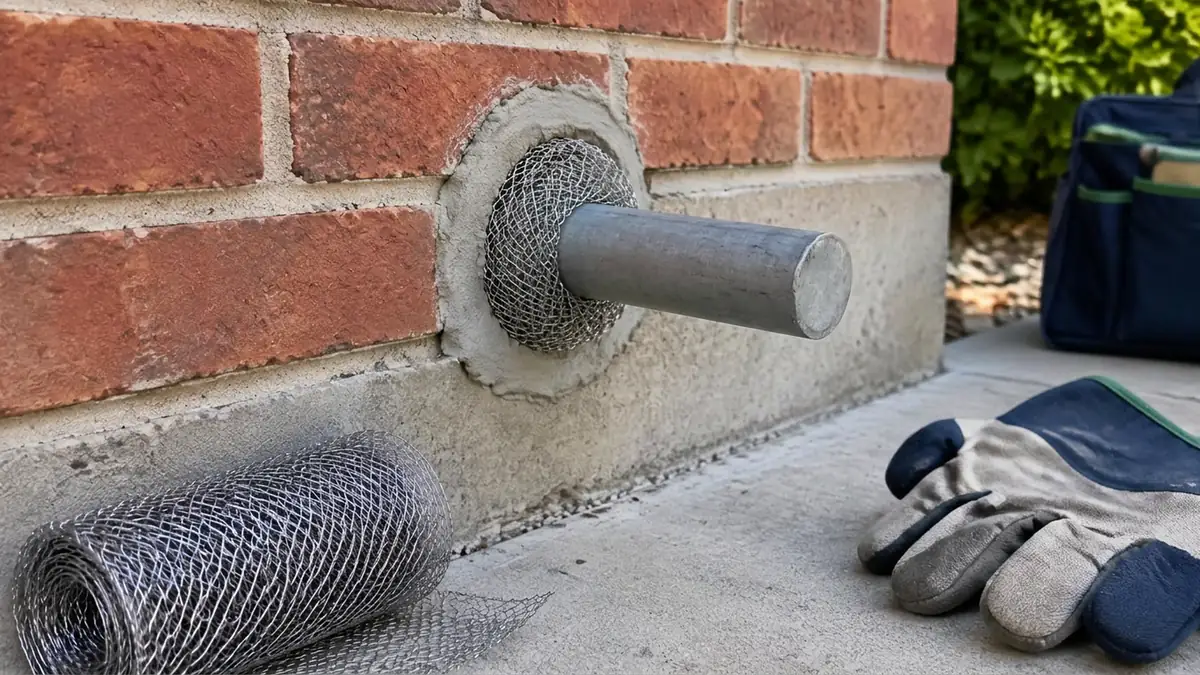
How to Get Rid of Mice (What Works in GTA)
How to get rid of mice for good: find how they get in, trap the ones inside, seal the gaps and clean up safely. Plus when to call a Toronto exterminator.
Frequently Asked Questions
How much does pest control cost in the GTA?
The cost depends on the pest, the affected area, severity, treatment method and follow-up. Ask for a written, property-specific scope rather than relying on a universal price.
Can pest control be done the same day?
Availability depends on location, schedule, pest and the work required. Confirm timing directly; a same-day inspection does not guarantee that every infestation can be fully resolved in one visit.
Should I try DIY treatment first?
Prevention such as food storage, cleaning, moisture control and sealing suitable gaps is useful. Seek professional help for recurring activity, uncertain identification, widespread signs or safety-sensitive situations.
What should I ask before hiring a pest-control provider?
Ask what was found, which areas are included, what method is proposed, what preparation and safety steps apply, whether follow-up is included, and which licences are required for the work.
Does Hello Pest Control serve my GTA city?
Service availability can vary by address and appointment schedule. Contact Hello Pest Control with your city, property type and pest signs to confirm coverage and next steps.