

How to Get Rid of Mice (What Works in GTA)
By Zubair on September 27, 2026 · · About the author
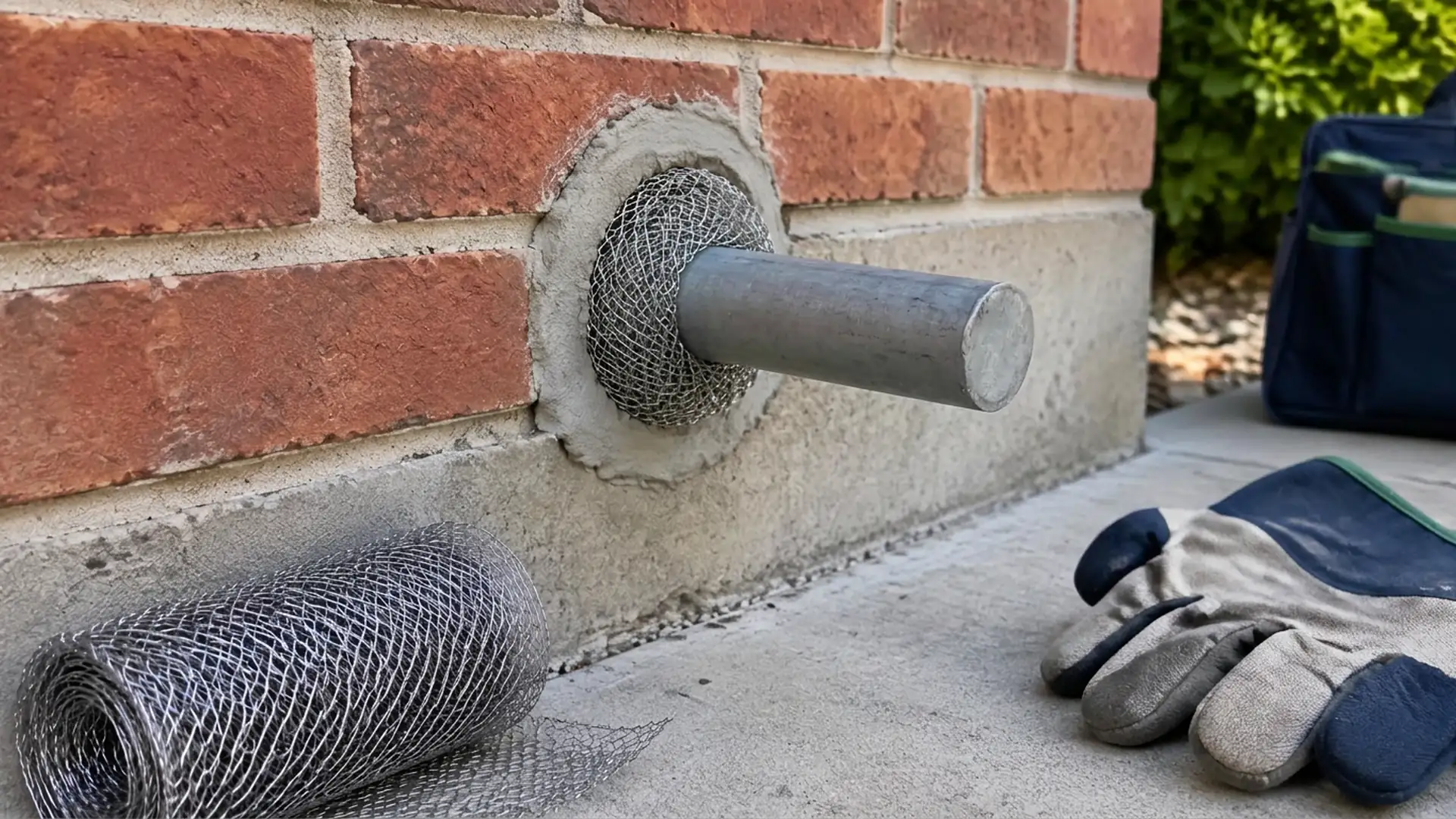
Table of Contents

To get rid of mice for good, do three things in this order: find and seal the gaps they use to get in, trap the mice already inside, and take away the food and nesting spots that attracted them. Traps alone rarely work, because new mice keep arriving through the same openings. In GTA, fall is when most mice move indoors, so the sooner you start, the smaller the problem stays.
This guide walks through what actually works in Toronto and GTA homes, what doesn’t, and when it’s time to call a licensed mice exterminator.
How do you know you have mice?
The clearest sign is droppings: small (3–6 mm), dark and rice-shaped, usually along baseboards, in drawers, under the sink or behind the stove. Other signs include:
- Scratching or scurrying in walls or ceilings at night
- Chewed food packaging, paper or insulation
- Shredded material collected into a nest in a quiet corner
- A musky smell in cupboards or the basement
- Greasy smudges along walls where mice run the same route
If the droppings are much larger (over 1 cm) or you find burrows outside, you may have rats instead. See rats vs mice: how to tell the difference, because the treatment is different.
Step 1: Find how mice are getting in
A house mouse can squeeze through a gap of about 6 mm, roughly the width of a pencil. Walk around the inside and outside of your home and look for gaps at:
- Pipes and wires where they enter the house (under sinks, behind the washer, at the gas meter)
- Dryer, bathroom and kitchen vents without screens
- Garage doors, especially the bottom corners
- Gaps between the foundation and siding
- Doors without a tight sweep
- Chimneys, attic vents and roof returns
In older Toronto homes (century semis in Riverdale or the Annex, for example), mortar gaps and old porch joints are common entry points. In newer builds, unsealed utility penetrations and garage seams are the usual culprits.
Step 2: Seal the gaps properly
Mice chew through foam, caulk, plastic and wood. Use materials they can’t get through:
- Steel wool or copper mesh packed into small gaps, then sealed over with caulk
- Hardware cloth (metal mesh) over vents and larger openings
- Door sweeps and garage door seals
- Mortar or concrete patch for foundation cracks
Sealing is the step that makes the result last. Without it, trapping only buys you a few weeks.
Can't find how they're getting in?
Book a Mice InspectionStep 3: Trap the mice already inside
Snap traps are still the most reliable DIY option. To make them work:
- Use several traps. Place them 1–2 metres apart along the walls where you found droppings. One trap per sighting isn’t enough.
- Set them against the wall, with the trigger end facing the wall. Mice run along edges, not across open floors.
- Bait lightly. A pea-sized dab of peanut butter or chocolate spread works better than a large amount.
- Check daily and wear gloves when you empty or move traps.
- Keep going until a full week passes with no catches and no new droppings.
Keep traps out of reach of children and pets: behind appliances, inside cabinets or in covered trap boxes. Avoid glue boards, which are inhumane, and be careful with store-bought poison baits: a mouse that eats poison can die inside a wall and cause an odour problem, and pets can reach loose bait.
Step 4: Remove food, water and nesting spots
- Store dry food (cereal, flour, pet food, birdseed) in glass, metal or hard plastic containers
- Wipe up crumbs and don’t leave pet food out overnight
- Fix dripping taps and pipes
- Keep garbage in bins with tight lids, inside and outside
- Clear clutter in basements, garages and storage rooms, where mice nest
- Move firewood and compost away from the house
How to clean up mouse droppings safely
Don’t sweep or vacuum dry droppings. That can put dust from droppings and urine into the air. Public health guidance is to:
- Open windows to ventilate the area first
- Wear rubber or disposable gloves
- Wet the droppings with a household disinfectant or a 1:10 bleach-and-water solution and let it soak
- Wipe everything up with paper towels and put it in a sealed bag in the garbage
- Disinfect the area again and wash your hands
Deer mice, which occasionally get into cottages and rural properties, can carry hantavirus, so take extra care with droppings in sheds, cabins and barns.
What doesn’t work (or doesn’t last)
| Method | Does it work? |
|---|---|
| Peppermint oil, dryer sheets | Little evidence; mice get used to the smell |
| Ultrasonic plug-in repellers | Little evidence of lasting effect |
| A single trap | Catches one mouse; the rest keep breeding |
| Poison bait on its own | Kills some mice but doesn’t stop new ones; risk of odours and pet exposure |
| Getting a cat | May catch a few, but doesn’t close entry points |
When to call a professional
Call a licensed exterminator when:
- You’re still catching mice after two weeks
- You hear activity inside walls or ceilings in several rooms
- You find nests, chewed wiring or droppings in insulation
- You can’t find the entry points
- You run a business, where records and prevention matter
A professional visit covers the whole job: inspection, entry-point sealing with rodent-proof materials, tamper-resistant traps or stations placed away from kids and pets, and a follow-up to confirm activity has stopped. Call us or request a free quote and we’ll confirm the price after a free inspection.
We treat mice across the GTA, including mice control in Toronto and Scarborough, where we’re based.
Mice still getting in? We seal the way back in and follow up until they're gone.
See Mice ControlRelated Reading

Rats vs Mice: How to Tell Which One You Have
Rats or mice? Compare size, droppings, sounds, damage and entry points to tell them apart, and see why Toronto rats need a different treatment than mice.
Spotting 1 Mouse Indoors Isn't a Small Problem in Scarborough
Saw one mouse in your Scarborough home? Why a single sighting usually means more are hiding, the signs to check, and what to do before they multiply.
Frequently Asked Questions
What is the fastest way to get rid of mice?
Set several snap traps along the walls where you've seen droppings, baited with a small amount of peanut butter, and check them daily. At the same time, seal the gaps mice are using to get in, or new mice will replace the ones you catch.
Can a mouse fit through a small hole?
Yes. A house mouse can squeeze through a gap of about 6 mm (¼ inch), roughly the width of a pencil. Any gap around pipes, vents, doors or the foundation that a pencil fits through is a possible entry point.
Do peppermint oil or ultrasonic repellers keep mice away?
There's little evidence that either works for more than a short time. Mice get used to smells and sounds quickly. Sealing entry points and removing food sources is far more reliable.
How long does it take to get rid of mice?
A small, recent problem is often solved in one to three weeks once entry points are sealed. An established population inside walls can take longer and usually needs professional help.
When should I call an exterminator for mice?
Call a professional if you're still catching mice after two weeks, if you hear activity in several rooms or inside walls, if you find nests or chewed wiring, or if you can't find how they're getting in.