

DIY Pest Control vs. Hiring a Professional in the GTA: What Actually Works?
By Hello Pest Control Team on October 28, 2026 · · About the author
Table of Contents
- At a glance
- The short answer
- What DIY pest control can do well
- What DIY cannot reliably tell you
- Why repeated spraying can backfire
- Ants: when prevention may be enough
- Mice and rats: traps are only one part
- Cockroaches: why a single spray often disappoints
- Bed bugs: avoid guesswork
- Wasps and hornets: safety comes first
- Moisture and occasional nuisance insects
- What a professional brings to the job
- How to evaluate a professional plan
- Licensing and responsible pesticide use in Ontario
- Cost: compare the full problem, not one visit
- Pets, children and household routines
- Renters, condos and commercial premises
- A decision framework you can use today
- What to do before the technician arrives
- After the problem is controlled
- Get the right help for your GTA property
- A realistic example: the mouse that keeps returning
- A realistic example: insects after a DIY spray
- How to prepare for a useful professional visit
- What good results should look like
- Do not mistake a product label for a complete plan
- A simple decision matrix
- Related pest-control resources
- Final takeaway
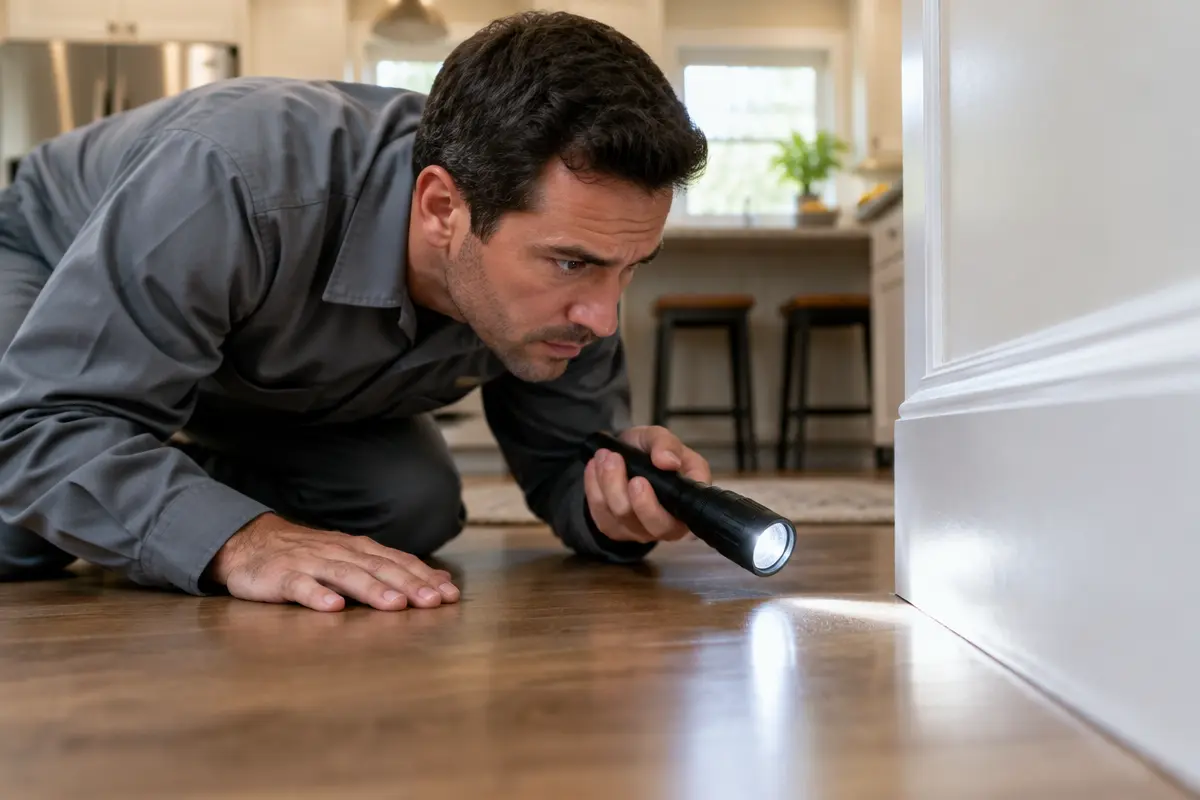
A store-bought trap or spray can feel like the fastest answer when a pest appears in the kitchen at night. Sometimes a simple prevention step is enough; sometimes repeated DIY attempts delay the right treatment, scatter pests, or leave the source untouched. The useful question is not whether DIY or professional pest control is always better. It is which response fits the pest, the evidence, the risk and the conditions that allowed it to appear.
At a glance
Best first step: identify the pest and record where and when you see activity. Best prevention: remove easy food and water, reduce hiding places and close suitable entry points. When to call a professional: recurring or widespread signs, uncertain identification, safety concerns, a nest near people, or an issue affecting a food business or shared building. Important: no generic checklist or price can replace an assessment of the actual property.
The short answer
DIY prevention is useful for reducing food, water, shelter and entry points. A professional is worth considering when activity repeats, the pest is hard to identify, several rooms are involved, the problem affects a food business or multi-unit building, or a nest or infestation creates a safety concern. The best plan often combines household changes with targeted professional work.
Practical next step: write down what you observed, where it happened, what conditions may be contributing and what action has already been taken. Keep the next action proportionate to the evidence. If the signs repeat or the source remains unclear, ask for an assessment instead of adding more products or making assumptions.
What DIY pest control can do well
You can store food securely, remove rubbish, clean spills, repair small non-hazardous gaps, maintain screens, reduce clutter, manage standing water and document sightings. These steps make a property less attractive and help a technician understand the problem. They are especially valuable before pests establish a reliable food source or nesting site.
Practical next step: write down what you observed, where it happened, what conditions may be contributing and what action has already been taken. Keep the next action proportionate to the evidence. If the signs repeat or the source remains unclear, ask for an assessment instead of adding more products or making assumptions.
What DIY cannot reliably tell you
A visible insect may not show where the nest or harbourage is located. A mouse caught in one trap does not prove the entry point is closed. A few dead cockroaches do not confirm that hidden activity has ended. Bed bug bites alone cannot reliably identify the cause. When the diagnosis is uncertain, treating the wrong pest can waste time and money.
Practical next step: write down what you observed, where it happened, what conditions may be contributing and what action has already been taken. Keep the next action proportionate to the evidence. If the signs repeat or the source remains unclear, ask for an assessment instead of adding more products or making assumptions.
Why repeated spraying can backfire
Applying multiple products without a plan can expose people and pets unnecessarily, contaminate surfaces, interfere with baiting, or move pests into less accessible areas. Always follow the product label, never mix chemicals, and do not use outdoor products indoors. If you have already used a product, tell the professional what it was and where it was applied.
Practical next step: write down what you observed, where it happened, what conditions may be contributing and what action has already been taken. Keep the next action proportionate to the evidence. If the signs repeat or the source remains unclear, ask for an assessment instead of adding more products or making assumptions.
Ants: when prevention may be enough
For occasional ants, wipe trails, secure sweet and greasy foods, correct moisture and inspect likely entry points. Avoid leaving pet food out overnight if it attracts activity. If trails keep returning, appear in multiple rooms or involve possible carpenter ants, identify the species and look for the source rather than spraying the visible workers repeatedly.
Practical next step: write down what you observed, where it happened, what conditions may be contributing and what action has already been taken. Keep the next action proportionate to the evidence. If the signs repeat or the source remains unclear, ask for an assessment instead of adding more products or making assumptions.
Mice and rats: traps are only one part
Traps may help in suitable circumstances, but they do not close entry points or remove food sources. Check gaps around pipes, doors, vents and foundations; secure food and waste; and monitor activity. If signs continue, if the source is inaccessible, or if a business or multi-unit property is affected, professional inspection can help coordinate trapping, sanitation and exclusion.
Practical next step: write down what you observed, where it happened, what conditions may be contributing and what action has already been taken. Keep the next action proportionate to the evidence. If the signs repeat or the source remains unclear, ask for an assessment instead of adding more products or making assumptions.
Cockroaches: why a single spray often disappoints
Cockroaches hide in cracks, appliance voids and warm areas, and some infestations involve more than one room or unit. A visible adult may be only a small part of the activity. Repeated sightings, small nymphs or daytime activity are reasons to seek a proper assessment. Coordinated sanitation, monitoring, targeted treatment and follow-up are often more useful than spraying every surface.
Practical next step: write down what you observed, where it happened, what conditions may be contributing and what action has already been taken. Keep the next action proportionate to the evidence. If the signs repeat or the source remains unclear, ask for an assessment instead of adding more products or making assumptions.
Bed bugs: avoid guesswork
Bed bugs are difficult to eliminate because they hide in seams, furniture joints and small crevices, and belongings can move them between rooms. Skin marks alone do not confirm bed bugs. If you suspect them, look for physical evidence and seek professional identification. Avoid moving furniture through the building or discarding items impulsively; follow a coordinated preparation plan.
Practical next step: write down what you observed, where it happened, what conditions may be contributing and what action has already been taken. Keep the next action proportionate to the evidence. If the signs repeat or the source remains unclear, ask for an assessment instead of adding more products or making assumptions.
Wasps and hornets: safety comes first
Do not knock down or spray a nest from a ladder, seal an active nest inside a wall, or disturb insects to test whether they are aggressive. Stings can cause serious reactions, and working at height adds risk. If a nest is near an entrance, play area or busy path, keep people away and arrange an appropriate assessment.
Practical next step: write down what you observed, where it happened, what conditions may be contributing and what action has already been taken. Keep the next action proportionate to the evidence. If the signs repeat or the source remains unclear, ask for an assessment instead of adding more products or making assumptions.
Moisture and occasional nuisance insects
If small insects appear around a damp basement, drain or window, first inspect moisture, leaks, condensation and organic debris. Correcting those conditions may reduce activity. Persistent insects, uncertain identification or signs of a larger issue justify further inspection. Avoid assuming every small insect is the same species or requires the same product.
Practical next step: write down what you observed, where it happened, what conditions may be contributing and what action has already been taken. Keep the next action proportionate to the evidence. If the signs repeat or the source remains unclear, ask for an assessment instead of adding more products or making assumptions.
What a professional brings to the job
A qualified provider can inspect the evidence, identify the likely pest, assess entry routes and harbourage, recommend an appropriate method, explain preparation and safety measures, and set follow-up expectations. The value is not merely stronger chemicals; it is diagnosis, scope, documentation and a plan that addresses conditions sustaining the problem.
Practical next step: write down what you observed, where it happened, what conditions may be contributing and what action has already been taken. Keep the next action proportionate to the evidence. If the signs repeat or the source remains unclear, ask for an assessment instead of adding more products or making assumptions.
How to evaluate a professional plan
Look for a clear explanation of the findings, the target pest, areas to be treated, method, preparation, safety precautions, follow-up and customer responsibilities. Ask what would count as success and what signs should trigger a return visit. Avoid promises of instant permanent elimination without an inspection or explanation.
Practical next step: write down what you observed, where it happened, what conditions may be contributing and what action has already been taken. Keep the next action proportionate to the evidence. If the signs repeat or the source remains unclear, ask for an assessment instead of adding more products or making assumptions.
Licensing and responsible pesticide use in Ontario
Ontario regulates pesticide sale and use, and certain commercial extermination activities require appropriate exterminator and operator licences unless an exemption applies. Requirements depend on the activity and pesticide class. Ask the provider about the relevant licence for the proposed work, and consult official Ontario guidance if you need to verify a requirement. Do not assume that every pest-control task has identical rules.
Practical next step: write down what you observed, where it happened, what conditions may be contributing and what action has already been taken. Keep the next action proportionate to the evidence. If the signs repeat or the source remains unclear, ask for an assessment instead of adding more products or making assumptions.
Cost: compare the full problem, not one visit
DIY products can have a lower upfront cost, but repeated purchases, damage, missed work or a worsening infestation can add up. Professional work costs more at the start in some cases but may include inspection, targeted treatment and follow-up. Request a written scope and compare what each option covers. No responsible provider should quote every property or pest at one universal price.
Practical next step: write down what you observed, where it happened, what conditions may be contributing and what action has already been taken. Keep the next action proportionate to the evidence. If the signs repeat or the source remains unclear, ask for an assessment instead of adding more products or making assumptions.
Pets, children and household routines
Tell the provider about pets, aquariums, children, food-preparation areas and any access constraints. Follow label and written instructions for keeping people away, covering or removing items and re-entry. “Natural” does not automatically mean harmless, and “professional” does not remove the need to follow precautions. Use products only as directed.
Practical next step: write down what you observed, where it happened, what conditions may be contributing and what action has already been taken. Keep the next action proportionate to the evidence. If the signs repeat or the source remains unclear, ask for an assessment instead of adding more products or making assumptions.
Renters, condos and commercial premises
If you rent or live in a condo, report activity to the landlord or building manager because coordinated access or treatment may be necessary. In restaurants, childcare settings, healthcare spaces and other sensitive premises, follow site procedures and use qualified help when the risk or documentation requirements exceed routine housekeeping.
Practical next step: write down what you observed, where it happened, what conditions may be contributing and what action has already been taken. Keep the next action proportionate to the evidence. If the signs repeat or the source remains unclear, ask for an assessment instead of adding more products or making assumptions.
A decision framework you can use today
Ask five questions: Can I identify the pest with reasonable confidence? Is activity limited to one small area? Can I remove food, water and access safely? Is there any sting, contamination, structural or business risk? Has the issue returned after reasonable prevention? If the answers point to uncertainty, spread, risk or recurrence, arrange a professional assessment.
Practical next step: write down what you observed, where it happened, what conditions may be contributing and what action has already been taken. Keep the next action proportionate to the evidence. If the signs repeat or the source remains unclear, ask for an assessment instead of adding more products or making assumptions.
What to do before the technician arrives
Note sightings and dates, take clear photographs if safe, identify rooms affected, keep packaging for products already used and avoid applying additional treatments. Secure food and waste and follow any instructions provided when booking. Accurate information helps the technician distinguish active signs from old evidence and choose a more targeted plan.
Practical next step: write down what you observed, where it happened, what conditions may be contributing and what action has already been taken. Keep the next action proportionate to the evidence. If the signs repeat or the source remains unclear, ask for an assessment instead of adding more products or making assumptions.
After the problem is controlled
Keep prevention in place, complete recommended repairs, monitor the locations where activity occurred and report recurrence within the agreed follow-up period. Do not assume that one quiet night proves the issue is over, but do not panic over every isolated insect either. Interpret signs in context and follow the plan.
Practical next step: write down what you observed, where it happened, what conditions may be contributing and what action has already been taken. Keep the next action proportionate to the evidence. If the signs repeat or the source remains unclear, ask for an assessment instead of adding more products or making assumptions.
Get the right help for your GTA property
Hello Pest Control serves residential and commercial customers across GTA communities. When you contact the team, share the pest, location, property type, observed signs, duration and previous steps. That information helps determine the appropriate next step and whether an inspection or treatment is suitable. Confirm service availability, scope and instructions for your specific property.
Practical next step: write down what you observed, where it happened, what conditions may be contributing and what action has already been taken. Keep the next action proportionate to the evidence. If the signs repeat or the source remains unclear, ask for an assessment instead of adding more products or making assumptions.
A realistic example: the mouse that keeps returning
A resident catches a mouse, buys another trap and sees no activity for several nights. A week later, droppings appear near the same cupboard. The useful next step is not necessarily buying a stronger trap; it is checking how the animal is entering, whether food remains accessible and whether activity is occurring elsewhere. The example shows why control means addressing the route and conditions, not just removing one visible pest.
Practical next step: write down what you observed, where it happened, what conditions may be contributing and what action has already been taken. Keep the next action proportionate to the evidence. If the signs repeat or the source remains unclear, ask for an assessment instead of adding more products or making assumptions.
A realistic example: insects after a DIY spray
Someone sprays a line of ants and sees fewer workers for a day, but the trail returns near a window. The spray may have affected visible insects without correcting the food source or entry route. Clean the area, store food, observe where the trail reappears and seek identification if activity persists. Do not layer additional products without checking labels and considering whether a different approach is needed.
Practical next step: write down what you observed, where it happened, what conditions may be contributing and what action has already been taken. Keep the next action proportionate to the evidence. If the signs repeat or the source remains unclear, ask for an assessment instead of adding more products or making assumptions.
How to prepare for a useful professional visit
Write down when the problem began, where signs appear, what you have tried and whether the activity changes by time of day. Keep product packaging or take a photograph of the label. Make affected areas accessible if instructed, but do not move suspected bed-bug items through the home. Share information about pets, children, sensitive spaces and previous treatments before work begins.
Practical next step: write down what you observed, where it happened, what conditions may be contributing and what action has already been taken. Keep the next action proportionate to the evidence. If the signs repeat or the source remains unclear, ask for an assessment instead of adding more products or making assumptions.
What good results should look like
Success is defined by the plan and pest involved. It may mean no new evidence over a stated monitoring period, fewer sightings, repaired entry points, or completion of a treatment sequence. Ask the provider what to expect immediately, what signs may persist temporarily and when to report concerns. A responsible plan measures progress rather than relying on a vague promise.
Practical next step: write down what you observed, where it happened, what conditions may be contributing and what action has already been taken. Keep the next action proportionate to the evidence. If the signs repeat or the source remains unclear, ask for an assessment instead of adding more products or making assumptions.
Do not mistake a product label for a complete plan
A pesticide label explains permitted use and precautions for that product; it does not diagnose the pest in your building or repair the entry route. Read and follow the label exactly. If the directions do not fit the location or situation, do not improvise. Seek appropriate advice instead of using more product or mixing it with another chemical.
Practical next step: write down what you observed, where it happened, what conditions may be contributing and what action has already been taken. Keep the next action proportionate to the evidence. If the signs repeat or the source remains unclear, ask for an assessment instead of adding more products or making assumptions.
A simple decision matrix
Choose prevention when the task is housekeeping, food storage, water removal or minor sealing that you can perform safely. Consider a professional when identification is uncertain, signs recur, pests are widespread, a nest creates a hazard, vulnerable occupants may be exposed, or a business needs records. Use urgent services for immediate safety concerns and ordinary scheduling for low-risk preventive questions.
Practical next step: write down what you observed, where it happened, what conditions may be contributing and what action has already been taken. Keep the next action proportionate to the evidence. If the signs repeat or the source remains unclear, ask for an assessment instead of adding more products or making assumptions.
Related pest-control resources
For related guidance, read 5 Proven Cost-Effective and Long-Term Pest Control Solutions, How to Get Rid of Mice, How to Get Rid of Ants, and What Happens During Professional Cockroach Removal where relevant to your situation. For service details, visit Pest Control, Commercial Pest Control, Eco-Friendly Pest Control, or Pest Control Across the GTA.
Final takeaway
The most useful pest-control decision is the one based on evidence, a clear scope and a plan that addresses the conditions allowing pests to survive. Use prevention consistently, document recurring signs and ask questions before approving treatment. If the issue is affecting your home, condo or business, contact Hello Pest Control to discuss the next appropriate step for your GTA property.
Related Reading
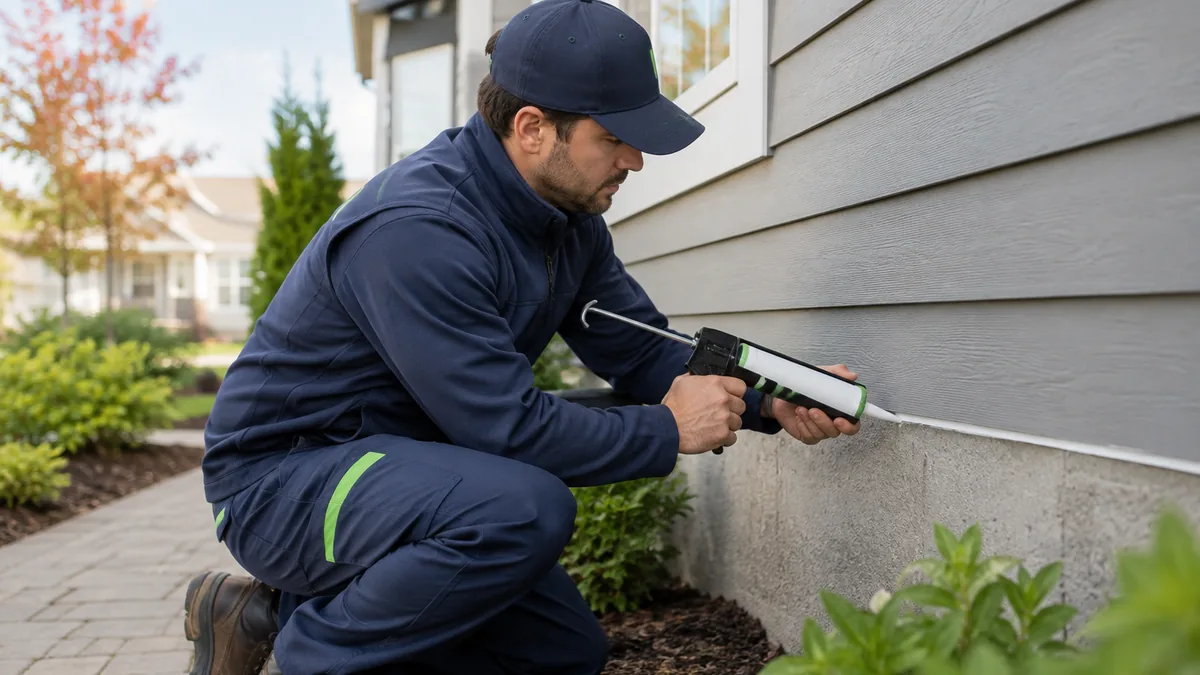
5 Proven Cost-Effective and Long-Term Pest Control Solutions
DIY sprays give short-term relief. These 5 cost-effective pest control solutions keep ants, cockroaches and mice out of GTA homes for the long term.

How to Get Rid of Ants in the House (What Works in GTA)
How to get rid of ants in the house: identify the ant, use bait instead of spray, wipe out the scent trail and seal entry points. When to call a pro.
Frequently Asked Questions
How much does pest control cost in the GTA?
The cost depends on the pest, the affected area, severity, treatment method and follow-up. Ask for a written, property-specific scope rather than relying on a universal price.
Can pest control be done the same day?
Availability depends on location, schedule, pest and the work required. Confirm timing directly; a same-day inspection does not guarantee that every infestation can be fully resolved in one visit.
Should I try DIY treatment first?
Prevention such as food storage, cleaning, moisture control and sealing suitable gaps is useful. Seek professional help for recurring activity, uncertain identification, widespread signs or safety-sensitive situations.
What should I ask before hiring a pest-control provider?
Ask what was found, which areas are included, what method is proposed, what preparation and safety steps apply, whether follow-up is included, and which licences are required for the work.
Does Hello Pest Control serve my GTA city?
Service availability can vary by address and appointment schedule. Contact Hello Pest Control with your city, property type and pest signs to confirm coverage and next steps.